

Shrine Introduction
 33
33


-





Total 38
- Diocese of Incheon
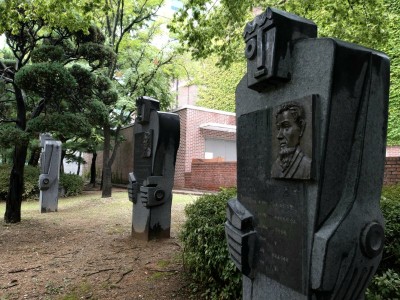
- Nogosan Catholic Shrine (노고산 성지)_1
- In 1839, three French missionary priests — Bishop Imbert, Father Maubant, and Father Chastan — were executed at Saenamteo during the Gihae Persecution. Their bodies lay on the riverbank for three days. Twenty days passed before a small group of Korean believers managed to recover the remains under cover of night, risking arrest to carry them up to Nogosan hill, where they were buried for four years before being moved to their final resting place.That act of quiet courage — honoring the dead at the risk of death — is what this small, peaceful shrine commemorates.
- ● Martyrs' Footsteps
- Diocese of Incheon
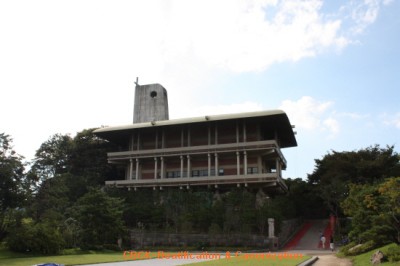
- Jeoldusan Martyrs’ Shrine (절두산 순교 성지)_2
- Jeoldusan — "beheading mountain" — is a rocky cliff above the Han River where hundreds of Korean Catholics were executed during the Byeongin Persecution of 1866. The total number of martyred here is unknown; records confirm only 29 by name, while accounts from the time speak of thousands. A church and museum were built on the site in 1966 for the centenary of the persecution. Pope John Paul II visited in 1984; Mother Teresa in 1985. The grounds are open around the clock.
- ● Spiritual Waypoint
- Diocese of Incheon
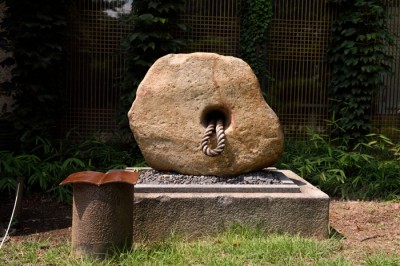
- Supjeong-i Martyrs’ Shrine (숲정이 성지)_3
- This wooded hill on the edge of old Jeonju doesn’t look like much at first. But for nearly a century, it served as the city’s execution ground — chosen for its seclusion and the nearby Jeonjucheon stream, which was used to wash the blades after executions. Three waves of persecution brought Catholics here: the Sinyu Persecution (1801), the Gihae Persecution (1839), and the Byeongin Persecution (1866–67). What makes Supjeong-i remarkable is who these people were: not foreign missionaries, but ordinary Korean farmers, scholars, and families — people who had encountered this faith through books and decided it was worth dying for.
- ● Martyrs' Footsteps
- Diocese of Incheon
- Nogosan Catholic Shrine (노고산 성지)_4
- In 1839, three French missionary priests — Bishop Imbert, Father Maubant, and Father Chastan — were executed at Saenamteo during the Gihae Persecution. Their bodies lay on the riverbank for three days. Twenty days passed before a small group of Korean believers managed to recover the remains under cover of night, risking arrest to carry them up to Nogosan hill, where they were buried for four years before being moved to their final resting place.That act of quiet courage — honoring the dead at the risk of death — is what this small, peaceful shrine commemorates.
- ● Sacred Shrine
- Diocese of Incheon
- Jeoldusan Martyrs’ Shrine (절두산 순교 성지)_5
- Jeoldusan — "beheading mountain" — is a rocky cliff above the Han River where hundreds of Korean Catholics were executed during the Byeongin Persecution of 1866. The total number of martyred here is unknown; records confirm only 29 by name, while accounts from the time speak of thousands. A church and museum were built on the site in 1966 for the centenary of the persecution. Pope John Paul II visited in 1984; Mother Teresa in 1985. The grounds are open around the clock.
- ● Sacred Shrine
 1
2
3
1
2
3
 8
8