

Korean Etiquette
 33
33


-





 Law & Rules
Don't
Drinking under age 19
Criminal charge
Korea's legal drinking age is 19. ID checks are
standard — at convenience stores, restaurants,
and bars. The law applies to everyone, including
foreigners.
standard — at convenience stores, restaurants,
and bars. The law applies to everyone, including
foreigners.
More info
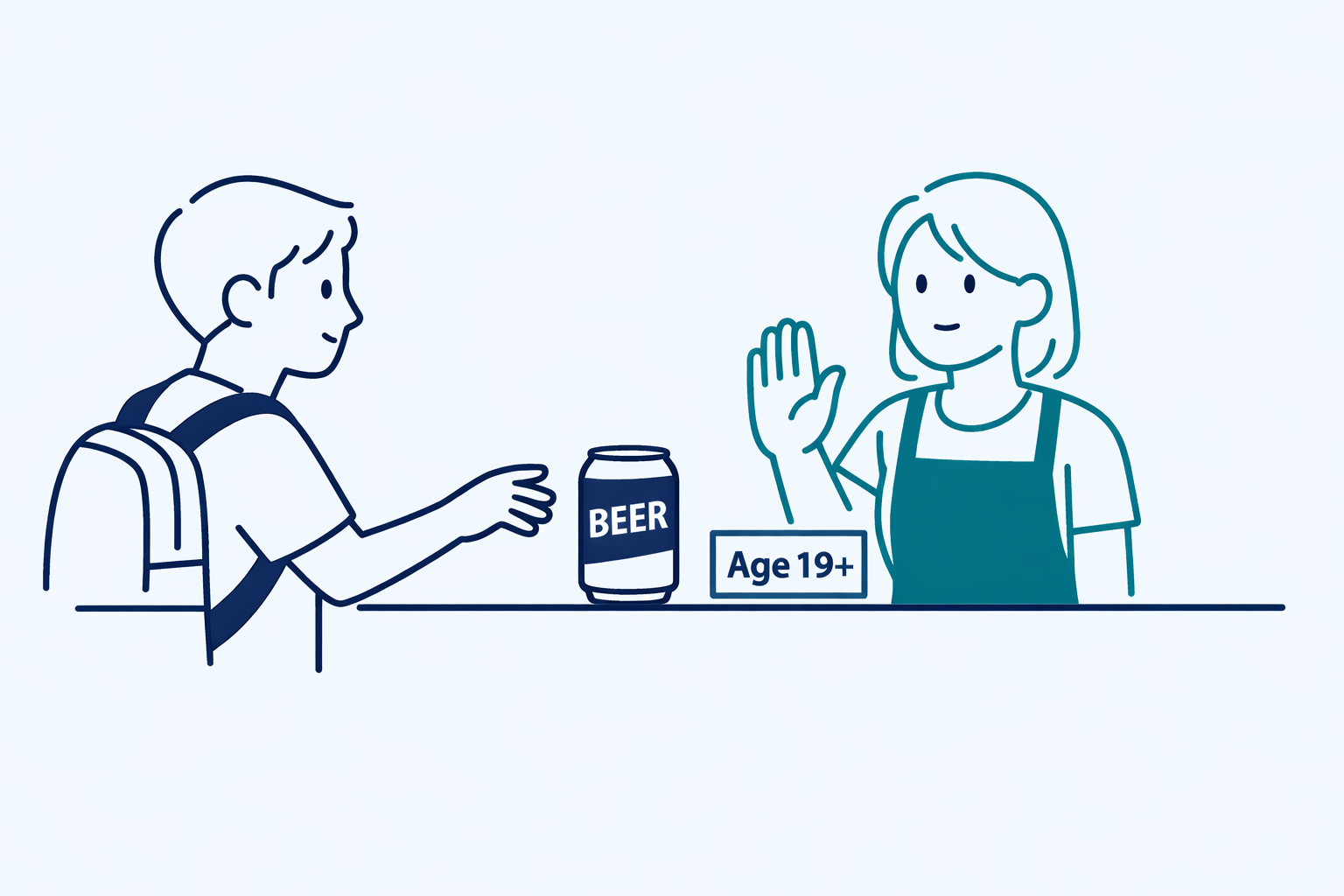
- What's legal back home doesn't matter here — Korean law applies to everyone. Both the person who buys and the minor can face criminal charges.
- Providing alcohol to someone under 19 is illegal, even if they asked for it themselves.
- Carry your passport or ID — shops check for everyone who looks young.
- Youth Protection Act (청소년 보호법)
Don't
Secret filming of people
Criminal penalty
Filming or photographing someone without consent
— especially in ways that invade their privacy
— is a serious crime in Korea, not just a minor violation.
— especially in ways that invade their privacy
— is a serious crime in Korea, not just a minor violation.
More info
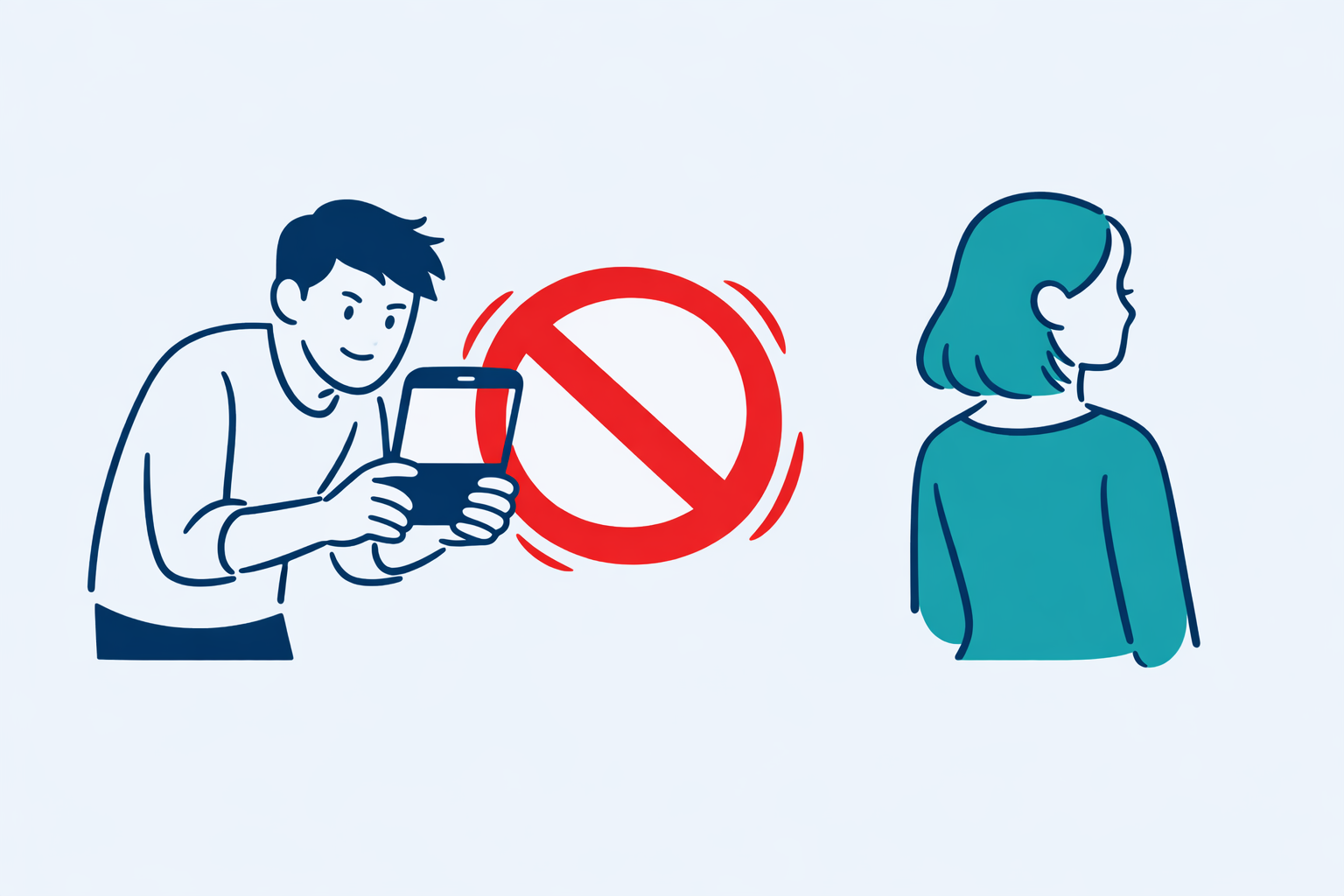
- This includes filming body parts, changing rooms, or anything the subject would consider invasive — even through clothing.
- The attempt alone is punishable, even if nothing was saved or shared.
- Always ask before photographing strangers. "사진 찍어도 될까요? (sajin jjigeo do doelkkayo?)" means "May I take a photo?" — most people are happy to say yes.
- Can lead to serious criminal penalties, including heavy fines or imprisonment
Don't
Smoking outside designated zones
Fine up to ₩100,000
Smoking is only permitted in designated areas. Bus stops, subway entrances (within 10m), parks, and all indoor spaces are no-smoking zones — with or without a sign.
More info
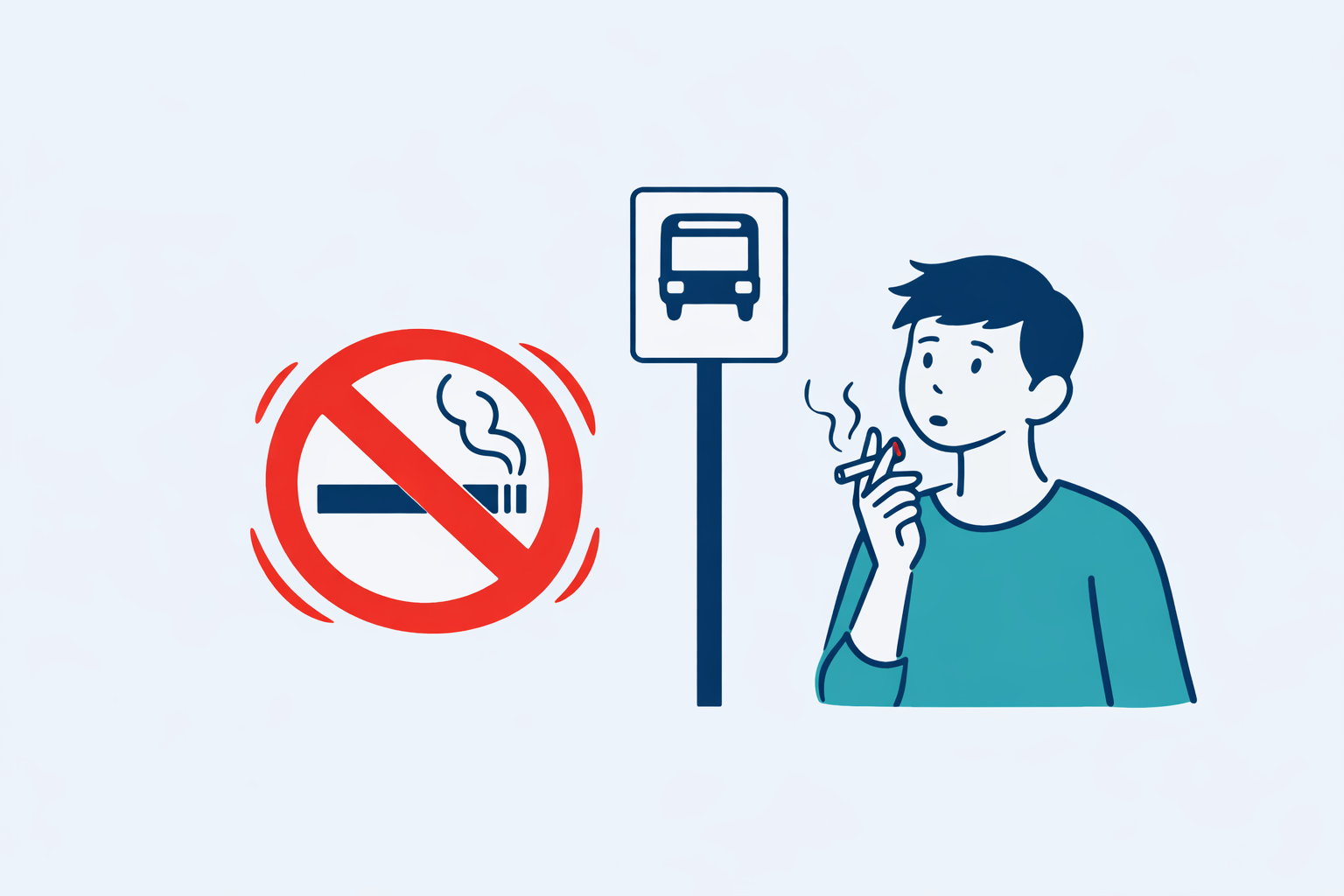
- Look for the 흡연구역 (smoking area) sign before lighting up. Smoking outside a designated zone means an on-the-spot fine.
- E-cigarettes and vapes are subject to the same rules.
- Paying within 15 days gets you a 20% discount on the fine.
- National Health Promotion Act (국민건강증진법 제34조)
Don't
Littering & wrong trash disposal
Fine up to ₩1,000,000
Dropping trash on the street — including cigarette butts — is illegal and carries real fines. Locals report violations through a government app, with photo evidence.
More info
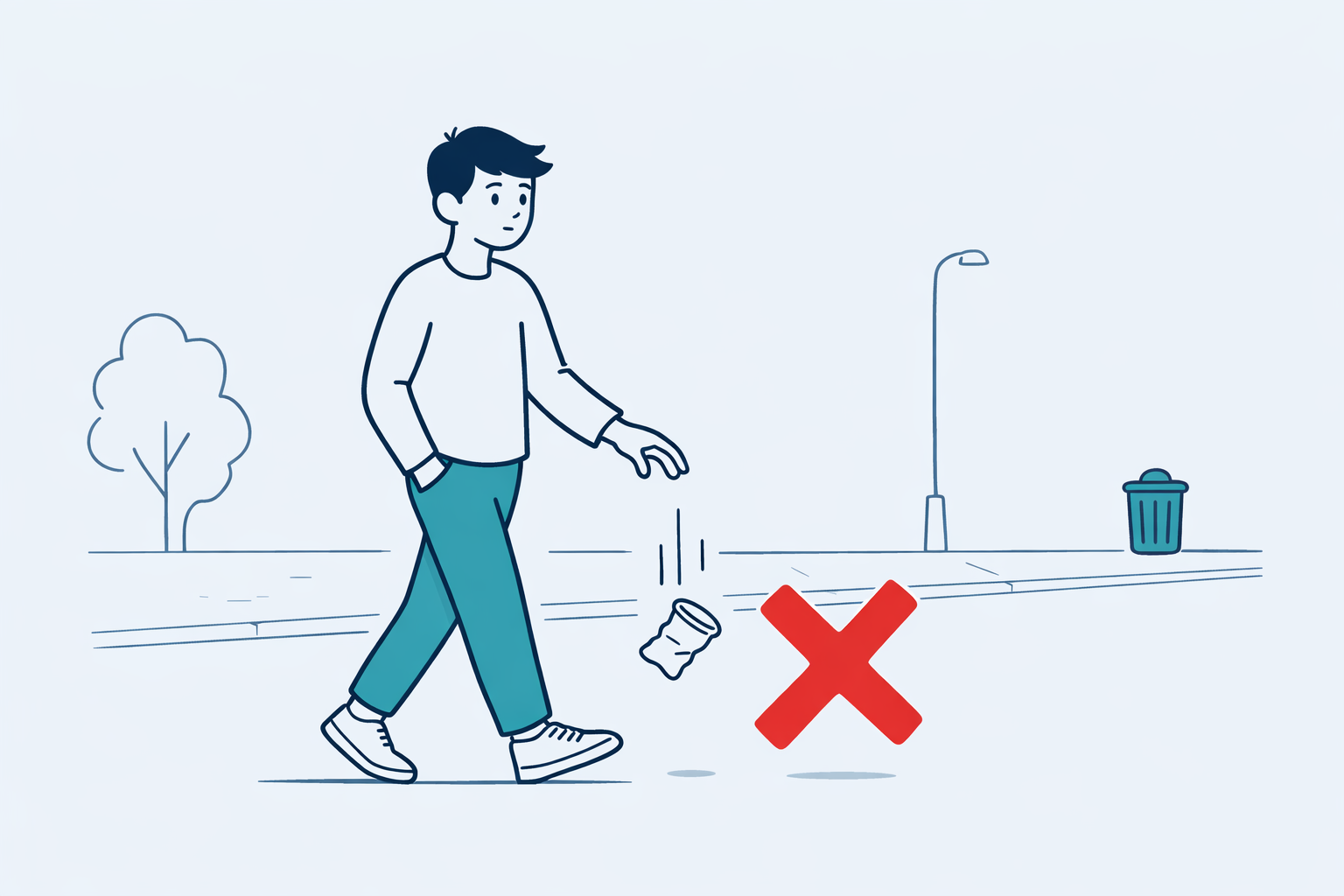
- Fines range from ₩50,000 for a cigarette butt up to ₩1,000,000 for improperly discarded household waste.
- Street bins are rare in Korea — look near subway exits and convenience stores, and carry your trash until you find one.
- Locals report violations through the Anjeun Sinmungo (안전신문고) app — with photo evidence. It happens more than you'd think.
- Waste Management Act (폐기물관리법 제68조)
Caution
Waste sorting (분리수거)
Korea requires all waste to be sorted before disposal. Recyclables, food waste, and general waste each go in separate bins — mixing them is not okay.
More info
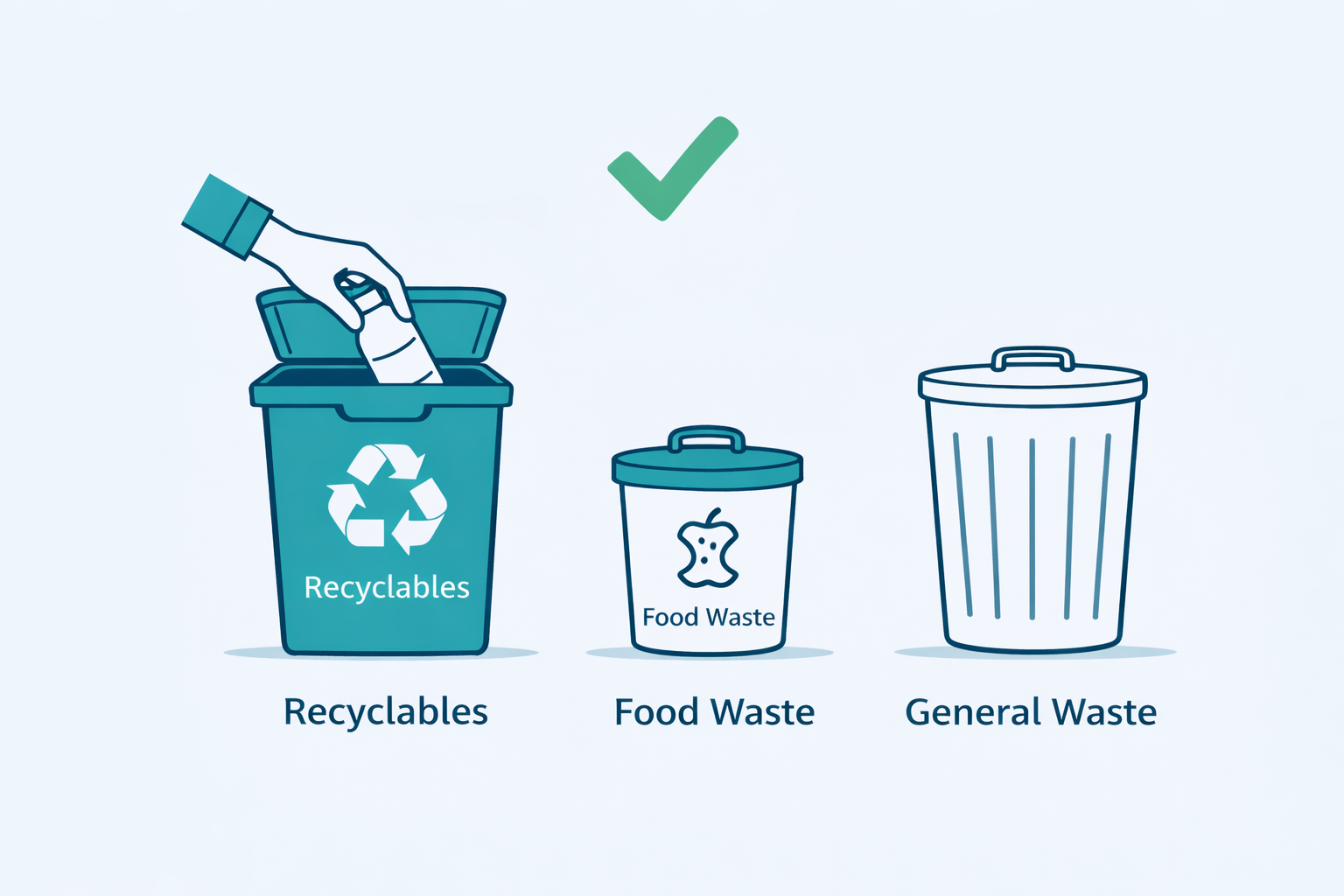
- Three bins to know: recyclables (플라스틱, paper, cans), food waste (음식물), and general waste (일반쓰레기). Never mix them in one bag.
- Your host or guesthouse will show you where the bins are — ask on arrival. They'll appreciate it.
- Food waste in particular must go in a designated food waste bin or bag — not a regular trash bag.
- Waste Management Act (폐기물관리법) — sorting is required by law



- CEO Lee Boyoung
- E-mail : holyspots@gmail.com I address : 3F, Gunsan Building, 327-7 Majang-ro, Seongdong-gu, Seoul 04756, South Korea
- @2026 HolySpots. All rights reserved.